
A Ski Bag Checklist for Gift-Buyers
A Ski Bag Checklist for Gift-Buyers
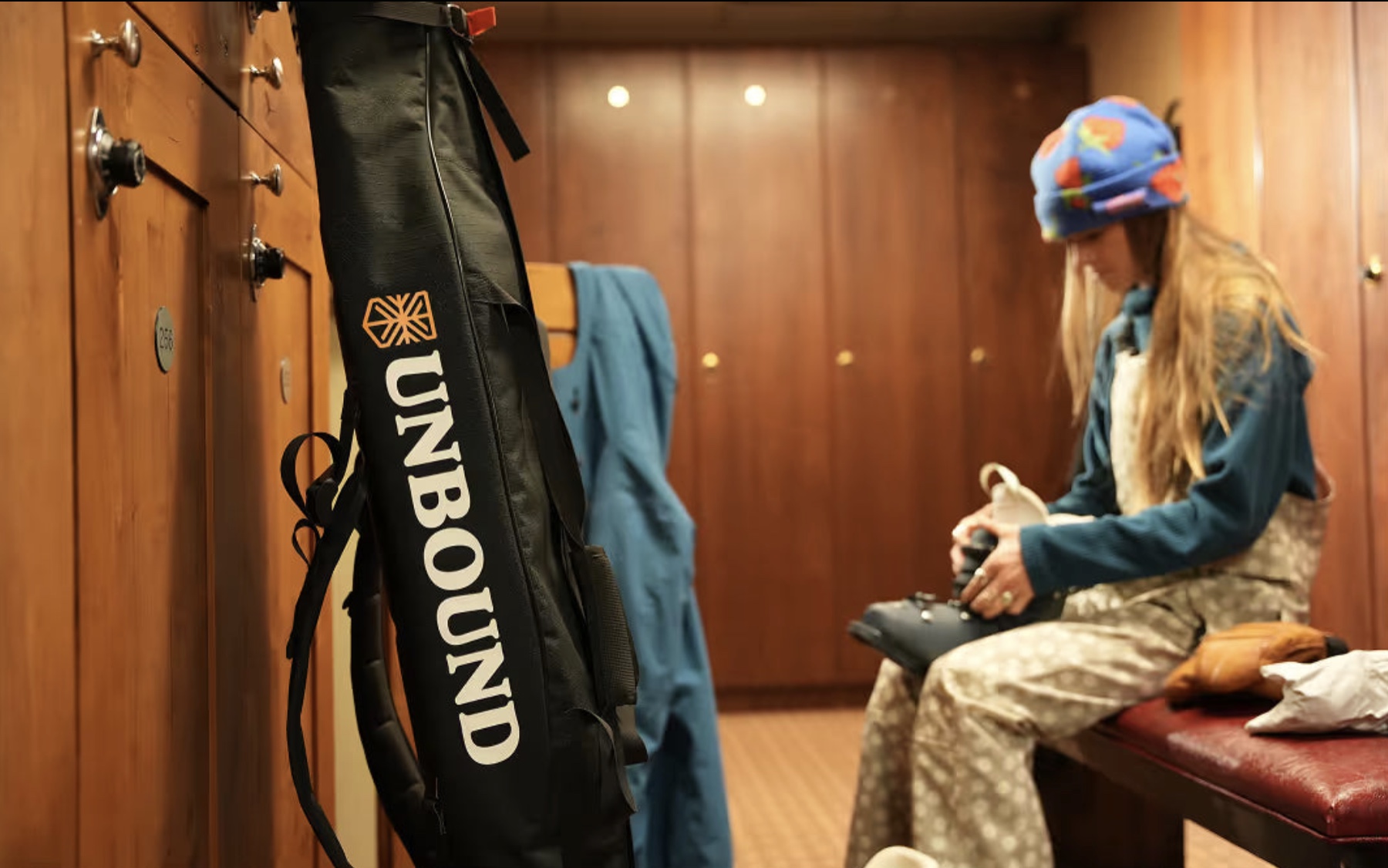
You don’t have to be a skier to give a ski bag as a gift. All you need to know are the right questions to ask. Here is an overview of what to consider.
The Different Types of Ski Transit Solutions
Ski transit solutions generally fall into a few categories, and knowing the difference is important.
- Soft duffle-style bags: lightweight and easy to grab, though they offer less structure and protection than other options
- Padded, wheeled flight bags: built to protect gear through checked baggage, but bulky and heavy once off the plane
- Cargo, hard-shell boxes: mount to the top of a car for large storage needs, but impractical for carrying gear elsewhere.
- Ski straps: minimal, requiring no storage at all, but offer no protection for the equipment itself
A bag that only works one way, say, strictly as a roller, or strictly as a backpack, tends to get used less over time. Padded bags with wheels are a solid option for air travel. Hard-shell cargo boxes mount to the top of a car and work well for larger storage needs. Soft-style bags are lightweight and easy to grab. Ski straps are minimal and require no storage at all.
The best option is one that offers multiple carry modes rather than locking you into just one. Look for a bag that converts between carry styles, offers real protection, and is built from durable material equipped to handle weather and travel conditions.
How They Travel to the Mountain
Before buying, how someone gets to the mountain should be the first thing you check since most ski bags are built for one mode and compromise on the rest. If you don’t know how the skier on your list travels, look for a bag versatile enough to handle more than one mode: roof rack, hitch rack, trunk, truck bed, air travel, or on-body carry.
Skiers who live within driving distance to a resort tend to hit the mountain often, usually relying on a roof rack or hitch rack to transport their skis. That keeps wet, sharp-edged gear out of the car and frees up space inside, but it also means the skis are exposed to road salt, grime, and magnesium chloride the entire drive. For these skiers, a roof-rack-compatible bag protects skis on the outside of the car without giving up the convenience of the rack itself.
Others store their skis in the trunk, which can lead to a messy trunk or even mildew if the skis go in wet. A small, weather-resistant bag solves that problem without taking up much space.
Then there are the skiers who fly to the mountains a few times a year. For them, a bag that also holds extra gear matters more. The catch with most airline-ready travel bags is they become a burden the moment they are off the plane.
Getting the Size Right
Most ski bags come in a handful of size tiers based on ski length, and getting this right matters more than people expect. Width matters too, since all-mountain and powder skis can run up to 124mm underfoot. Ski length and width is typically printed on the topsheet (the flat surface) in centimeters, so it’s an easy detail to check without asking. A bag too large lets gear shift and knock around, leading to damage during transportation. A bag too small will not fit the skis it is intended to protect.
Protection Isn’t One-Size-Fits All
How protective a bag is often depends on how it is being carried. A bag built for a roof rack or hitch rack is not always padded enough to check safely on a flight, and a heavily padded bag often is not the most compact or lightweight option for a trunk or for carrying. The honest answer is usually a trade-off, so it’s worth asking how a bag performs across the specific ways someone will use it.
What Day-to-Day Use Should Feel Like
The best ski bags disappear into the routine instead of adding to it. Packing and unpacking should take seconds, not minutes: gear in, zipped tight, ready to move, and just as fast in reverse. A good bag is light to grab without a second thought, durable to trust with expensive equipment, and easy to carry; however, the day calls for hands-free if you need them for a kid, a coffee, or extra gear. It should help keep a car organized rather than scattered with loose equipment, and compress down small, without taking over a closet or mudroom when not in use.
The Small Hardware Details Worth Checking
The details that seem minor are usually the ones a skier notices every time they use a product. Ask yourself, do the buckles and zippers function in the cold, or with gloves on? Is the carry system adjustable? Are the materials built to resist weather, abrasion, and sharp ski edges? It’s the little things that make the biggest difference.
Why Roof Rack Protection Matters
This is a detail most people miss. Road salt and magnesium chloride, the de-icing chemicals used on roads for winter safety, quietly corrode ski equipment over time, and track residue into a trunk or backseat. On a roof rack, ski gear is directly exposed to spray kicked up from the road throughout the entire drive. This is where the damage happens. Transporting bare skis allows salt and chemical residue to cause real harm to expensive equipment. It’s worth checking whether a bag’s materials are rated to resist road salt and chemicals, not just cold and moisture.
If They Fly to Ski, This Is Worth Knowing
Most travelers don’t realize this until it’s too late: major airlines can explicitly exclude ski and snowboard equipment from standard damage liability. Policies and fees vary by airline and change often. It is worth checking the current terms for the carrier they fly. That means if their skis get damaged in transit, the airline likely won’t pay, repair, or replace them.
Our Pick: The WinterProof Bag
If you want one bag that checks every box above without the usual trade-offs, the WinterProof Bag is the one we would point to.
It comes in three sizes, small, medium, and large, based on ski length, and fits all-mountain and powder skis up to 124 mm underfoot. It adapts to roof racks, hitch racks, trunks, truck beds, air travel, and on-body carry, so there is no need to choose one mode over the other. Protection is strongest for roof racks, hitch racks, and on-body carry; most compact for trunk and home storage; and while it is not the most heavily padded option for air travel, it offers enough protection to fly with confidence while avoiding the extra weight.
Day to day, it disappears into the routine: pack it in seconds, carry it hands-free, and keep the car organized instead of scattered with gear. It converts between backpack, cross-body, duffle, and hand-carry modes, with a fully adjustable strap and a padded backplate for comfort. Fidlock magnetic buckles snap shut even with gloves on, and both the exterior and interior are made from durable, weatherproof, UV-resistant materials designed to shield against road salt, magnesium chloride, and weather conditions—the exact threats a roof rack exposes skis to on a drive.
Built for every skill level and discipline, alpine or backcountry, and sized to fit a range of body types and ages. The WinterProof Bag is made for anyone the sport calls to. The goal is to bring the joy back to a ski day by removing frustrations, so the only thing left to think about is the mountain ahead.
Live Unbound.
More adventurous
The Outdoors Have a Story to Tell.
You don’t have to be a skier to give a ski bag as a gift. All you need to know are the right questions to ask. Here is an overview of what to consider.
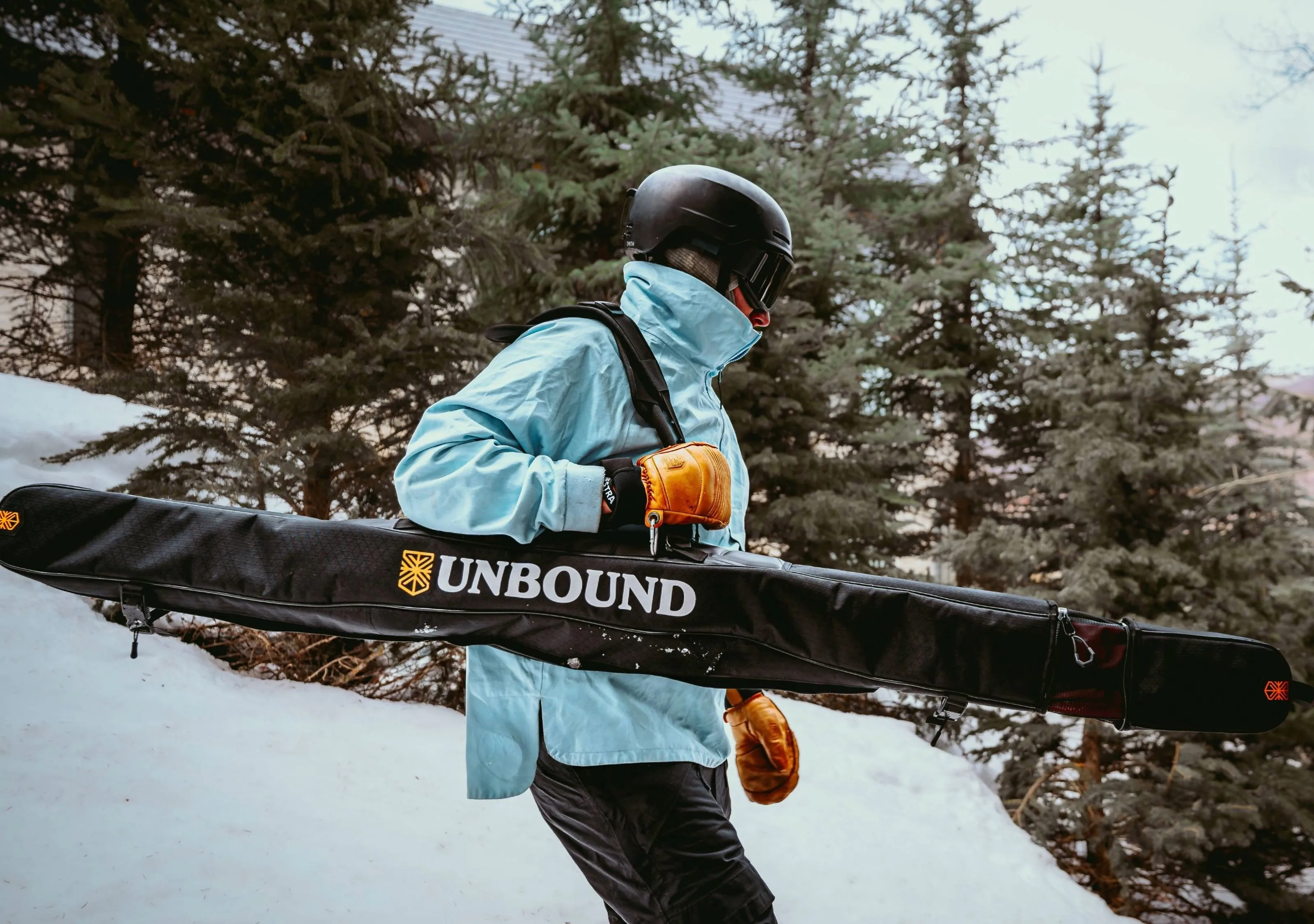
From mountain adventures and gear insights to travel inspiration and stories from the outdoor community, discover fresh perspectives, practical tips, and everything that fuels a life lived outside.
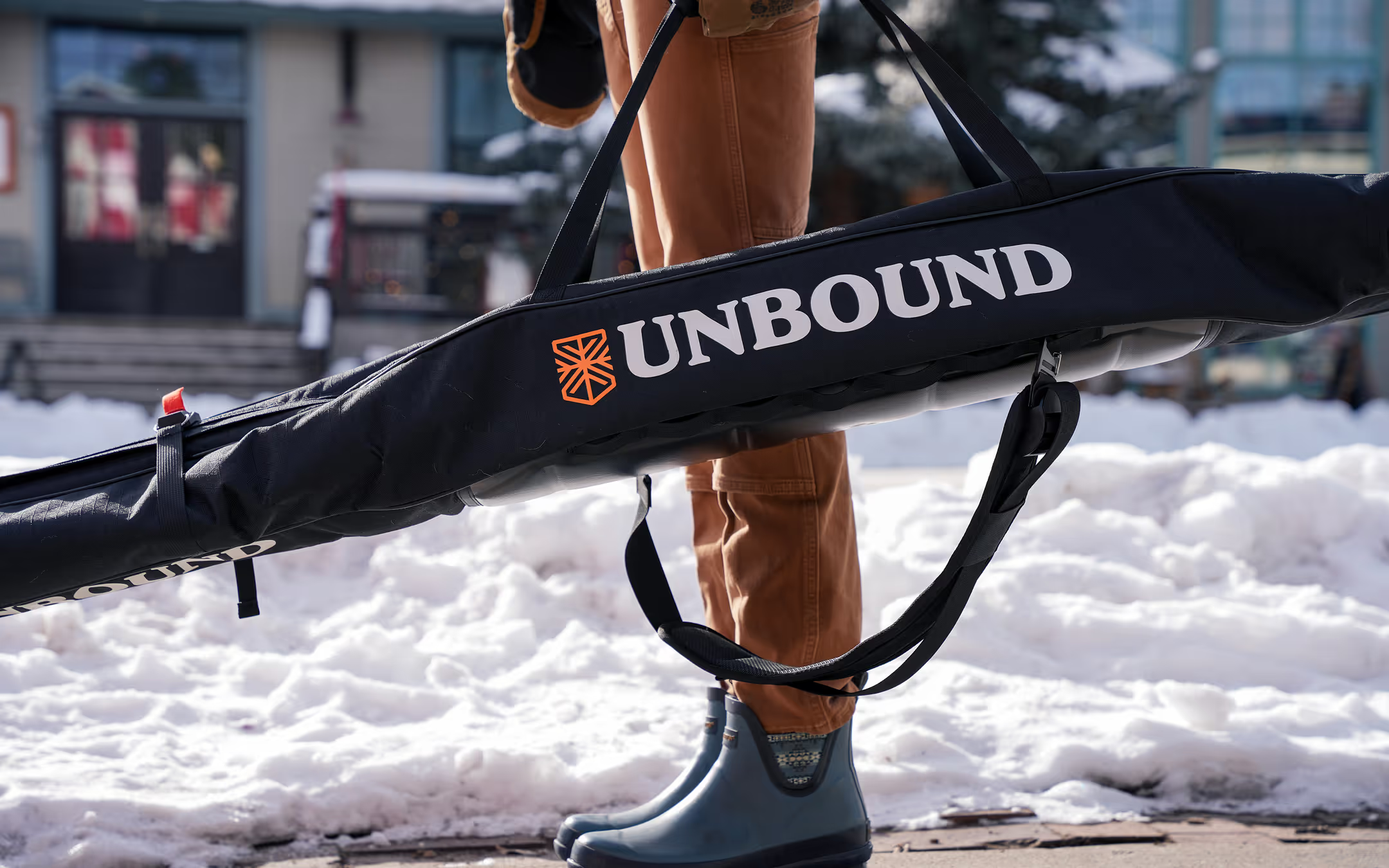
A collection of stories, adventures, and ideas that inspire you to get outside. Discover gear guides, mountain experiences, and the people who make every journey worth taking.
Test Post Summary Test Post Summary Test Post Summary Test Post Summary Test Post Summary Test Post Summary Test Post Summary Test Post Summary